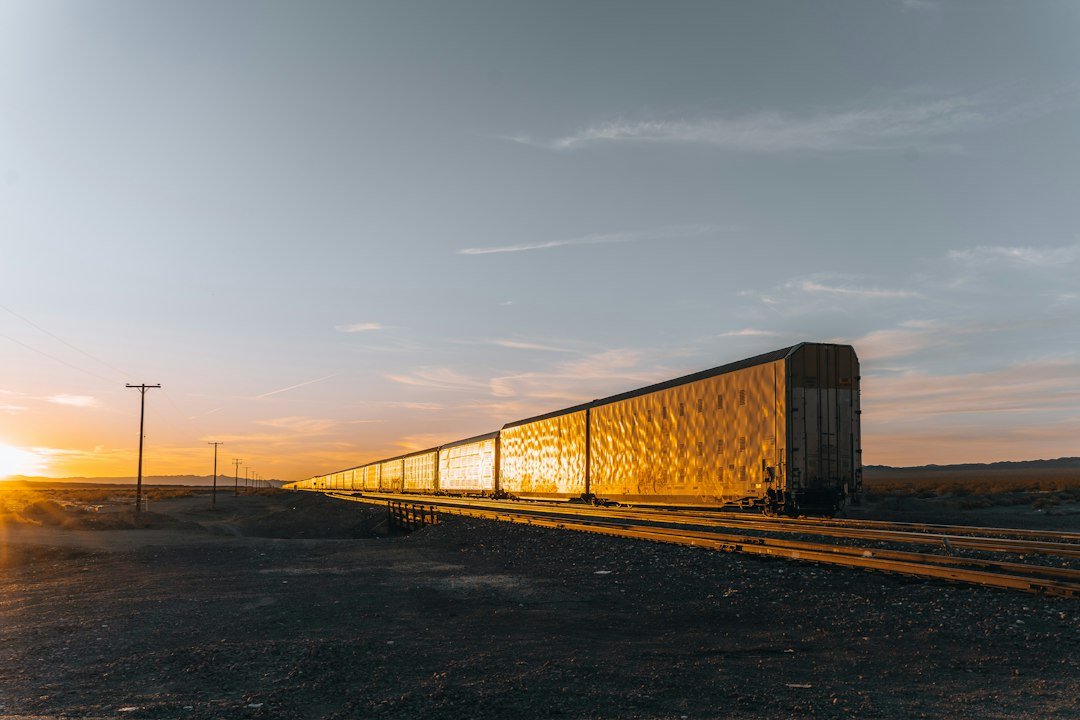
The United Arab Emirates and Saudi Arabia have taken a formal step towards linking two of the Gulf’s most important pieces of infrastructure: their railways and their electricity grids. On 8 October 2026, the two countries signed a memorandum of understanding (MoU) in Riyadh that commits them to studying cross-border freight rail connectivity and deeper power-sector cooperation.
The agreement does not launch construction on its own. Instead, it sets the ground rules and kicks off a series of feasibility studies that will decide what gets built, where, and when. Even so, it is a significant signal from the region’s two largest economies that physical integration is moving higher up the agenda.
Key takeaways
- The MoU was signed in Riyadh by UAE Minister of Investment Mohamed Hassan Alsuwaidi and Saudi Minister of Energy Prince Abdulaziz bin Salman.
- It covers two areas: freight rail connectivity and electricity grid interconnection, including the exchange and sale of power.
- Technical, economic and environmental feasibility studies come first; no construction timeline has been announced.
- Both countries will coordinate with other Gulf Cooperation Council (GCC) members on expanding the shared GCC power grid.
What the agreement covers
1. Freight rail connectivity
The rail component lays down general principles for connecting the two countries’ networks, with a clear focus on cargo. The emphasis is on the two-way movement and transit of goods, meaning trains could carry freight not only between Saudi Arabia and the UAE but also through one country on the way to markets beyond it.
Technical and economic studies will examine how the link would support logistics integration, make supply chains more efficient and simplify cross-border trade. For businesses, the practical promise is straightforward: fewer trucks queuing at border crossings, more predictable delivery times and potentially lower transport costs for bulk and containerised goods.
2. Electricity interconnection and power trading
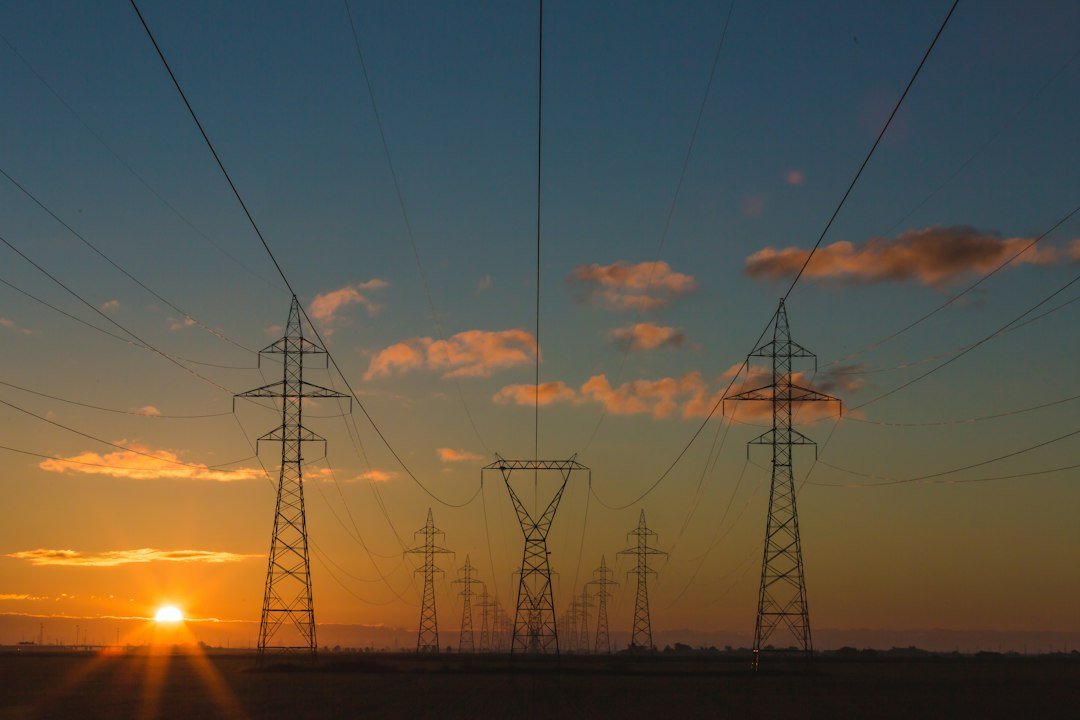
The energy component goes beyond simply linking cables. The two governments will set out principles for interconnecting their grids and for buying and selling electricity between them. Feasibility studies covering technical, economic and environmental questions will identify where interconnection delivers the most value.
Building on an existing Gulf power grid
Electricity links between Gulf states are not new. The six GCC countries agreed at the end of 2001 to create the GCC Interconnection Authority (GCCIA) to tie their national power systems together. The shared grid began operating in 2009, and by the end of 2011 all six member states were connected, allowing the region to function as a single interconnected system in many respects.
The grid’s main value so far has been reliability. When a power plant trips or demand spikes, neighbouring systems can step in almost instantly, reducing the risk of blackouts. The new Saudi–UAE agreement points to a more commercial next phase, in which electricity is actively traded rather than only shared in emergencies. That is why the MoU explicitly ties the bilateral work to expanding the wider GCC grid under the bloc’s existing interconnection agreement.
Stronger power trading matters for several reasons. Gulf electricity demand peaks sharply in summer because of air conditioning, which leaves a lot of generating capacity idle for the rest of the year. Trading power across borders lets countries share that spare capacity instead of each building its own reserve plants. It also makes it easier to absorb large volumes of solar energy, since surplus daytime output in one country can be sent to where it is needed.
How the rail link fits into the bigger picture
On the UAE side, much of the groundwork is already in place. Etihad Rail, the national railway, now operates a network of roughly 900 km that links all seven emirates, running from Ghuwaifat on the Saudi border in the west to Fujairah on the east coast. Its 139 km section between Ghuwaifat and Ruwais was the first rail line to reach the Saudi frontier.
On the Saudi side, the key piece is the kingdom’s segment of the long-planned GCC Railway. Saudi Arabia Railways has tendered design consultancy work for a stretch of about 672 km running from Khafji near the Kuwaiti border to Al Batha at the UAE border. The Gulf Railway Authority has said the overall regional project has passed the halfway mark and is targeting full operation by December 2030.
In other words, the two networks are being built towards each other. The new MoU provides the bilateral framework, covering rules, studies and commercial principles, needed to turn two national lines that meet at a border into a single working corridor for freight.
Why this matters for trade and the economy
- Cheaper, faster logistics: A single freight train can replace many trucks, cutting costs and road congestion on one of the region’s busiest trade routes.
- Port connectivity: Rail links can connect major UAE ports and Saudi industrial hubs, making it easier to move imports inland and exports to the coast.
- Energy security: Interconnected grids reduce the impact of local outages and help both countries manage peak summer demand.
- Lower emissions: Shifting freight from road to rail and sharing renewable power across borders both support the region’s climate goals.
- Economic diversification: Better infrastructure supports manufacturing, logistics and tourism, sectors both countries are promoting to reduce reliance on oil.
Challenges ahead
Memoranda of understanding are statements of intent, and regional mega-projects have a history of delays. The GCC Railway itself was first approved in 2009 and was held back for years by low oil prices and the pandemic before regaining momentum after the AlUla Declaration in 2021. Cross-border rail also raises practical questions about customs procedures, technical standards, operating rights and how costs and revenues are shared. Power trading requires agreement on pricing, market rules and grid capacity. The feasibility studies will need to answer these questions before major investment decisions are made.
Frequently asked questions
When was the UAE–Saudi rail and power MoU signed?
It was signed in Riyadh on Thursday, 8 October 2026.
Will passenger trains run between the two countries?
This agreement focuses on goods and freight. Passenger services are not part of the announced scope, although the wider GCC Railway is designed to carry both passengers and cargo in future.
Are the UAE and Saudi power grids already connected?
Both are part of the GCC interconnection grid that has operated since 2009. The new agreement aims to strengthen that link and enable regular commercial electricity trading between the two countries.
When will construction start?
No date has been announced. The next stage is a set of technical, economic and environmental studies, whose findings will shape any construction plans.
The bottom line
The Saudi–UAE agreement is an early-stage deal, but it connects to projects that are already well under way: Etihad Rail’s completed national network, Saudi Arabia’s section of the GCC Railway and the long-running GCC power grid. If the feasibility studies deliver positive results, the two largest Gulf economies could be linked by freight trains and a stronger electricity market within the next decade, with benefits that would reach well beyond their own borders.
Photos: Fabian Kleiser and Matthew Henry on Unsplash.