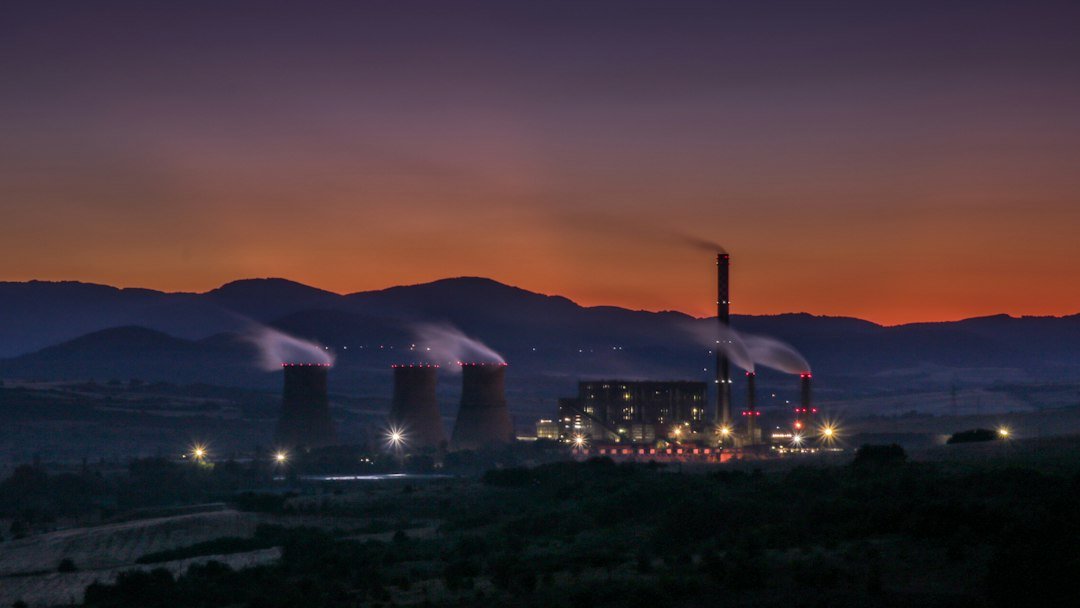
Saudi Arabia’s push to add large amounts of new generating capacity has moved another step forward on the Red Sea coast. In mid-October 2026, a joint venture of Egypt’s Elsewedy Electric (through its power systems arm) and China’s Sinohydro, part of POWERCHINA, signed an engineering, procurement and construction (EPC) contract worth about $2.2 billion for the Rabigh 2 Independent Power Plant expansion.
The new plant will be a gas-fired combined-cycle facility with a capacity of roughly 2.3 gigawatts, built next to an existing power station about 130 km north of Jeddah. With financing already closed and a long-term power purchase agreement in place, the contract signing marks the shift to full-scale construction, with commercial operation targeted for May 2029.
Key takeaways
- An Elsewedy Electric PSP and Sinohydro joint venture signed a turnkey EPC contract worth about $2.2 billion for the Rabigh 2 expansion.
- The combined-cycle gas plant will have a capacity of 2,313.5 MW and is designed to be ready for future carbon capture.
- The project company is jointly held by Acwa and Saudi Energy (formerly Saudi Electricity Company), each with a 40% effective stake.
- Saudi Power Procurement Company will buy the output under a 31-year agreement valued at SR11.5 billion ($3.07 billion).
- Lenders provided SR9.69 billion ($2.58 billion) of long-term debt, and commercial operation is scheduled for May 2029.
What was agreed
The contract was awarded by Al Mourjan Two for Electricity Company, the special-purpose company set up to develop, own and operate the expansion. Under the deal, the Elsewedy–Sinohydro partnership takes responsibility for the whole delivery chain: design and engineering, procurement of equipment, civil works, erection, commissioning, performance testing and the connection to the national grid. The project scope also includes extending a 380 kV substation.
Work did not start from zero. The contractors had already been operating under a limited notice to proceed, a common arrangement that lets early engineering and site work begin before every contract is finalised. According to the companies, overall progress had passed 39% by the time the full EPC agreement was signed.
The technical heart of the plant is Siemens equipment arranged in two power blocks. Each block pairs three gas turbines with three heat recovery steam generators feeding one steam turbine, giving six SGT6-5000F gas turbines and two steam turbines in total. A bypass stack and diverter damper will allow the gas turbines to run in simple-cycle mode when needed, which adds flexibility for grid operators.
Background: how the project came together
Rabigh is not a new name in Saudi power. The original Rabigh 2 plant, a roughly 2.06 GW facility developed by an Acwa-led consortium that signed for it in 2013, has been selling electricity since June 2017. The expansion is a greenfield build on adjacent land, which lets it reuse existing grid links and industrial infrastructure in the Makkah region.
The commercial framework was put in place over 2026 in three main stages:
| Milestone | Timing | Details |
|---|---|---|
| Power purchase agreement | April 2026 | 31-year deal with Saudi Power Procurement Company, valued at SR11.5bn ($3.07bn) |
| Financial close | Early October 2026 | SR9.69bn ($2.58bn) of debt from 14 banks, repayable over about 34 years |
| Full EPC contract | Mid-October 2026 | About $2.2bn turnkey contract with Elsewedy Electric PSP and Sinohydro |
| Commercial operation | May 2029 (target) | Plant expected to feed 2,313.5 MW into the national grid |
The lender group is notably international. It includes Saudi banks such as Saudi National Bank, Riyad Bank, Alinma Bank and Saudi Awwal Bank, Gulf lenders including Abu Dhabi Commercial Bank, Commercial Bank of Dubai and Boubyan Bank, Chinese institutions such as Industrial and Commercial Bank of China, and global names including HSBC and Standard Chartered. A repayment period of around 34 years is long even by infrastructure standards, reflecting the security of a three-decade offtake agreement with a state-backed buyer.
How it fits the bigger picture
Rabigh 2 is part of a broader wave of gas-fired capacity being procured by Saudi Power Procurement Company, the central buyer that signs long-term contracts with private developers. Under the first round of the kingdom’s gas-fired IPP programme, Acwa and Saudi Energy won the right in 2023 to develop four plants. Two of them, Taiba 1 and Qassim 1, have begun initial commercial operations with a combined capacity of about 3.8 GW, according to MEED.
Elsewedy also has a foothold right next door. With Siemens Energy, it is building the 1,179 MW Rabigh 1 expansion for Saudi Energy, which is expected to be completed around the end of 2026. Taken together, the two expansions will turn the Rabigh area into one of the larger clusters of gas-fired generation on the western coast.
This gas build-out runs alongside, rather than against, the kingdom’s clean-energy goals. Saudi Arabia aims for renewables to make up half of its power mix by 2030 and has set a net-zero target for 2060. Efficient combined-cycle plants provide steady output when solar generation falls away in the evening, and the carbon-capture-ready design of Rabigh 2 leaves room to cut emissions later.
Why it matters
For the grid, a single 2.3 GW addition is substantial. The developers describe the plant as a source of reliable capacity to keep pace with rising industrial, commercial and household demand, which is closely tied to population growth, new giga-projects and the summer cooling peak.
For investors, the deal shows how the Saudi independent power model is maturing. A state buyer signs long contracts, local champions such as Acwa and Saudi Energy take equity, and banks from the Gulf, Asia and Europe share the debt. For contractors, it highlights the growing role of Egyptian and Chinese firms in Gulf power construction, competing on price and delivery speed.
Challenges and what comes next
The main task now is execution. Large combined-cycle plants depend on timely delivery of gas turbines and other heavy equipment, and global turbine supply has been tight as demand for gas power rises in many markets. Keeping a workforce safe and productive through Red Sea summers will also matter; the partners report more than five million safe working hours so far. Investors will watch for steady progress towards the May 2029 start date, and Saudi Energy has said it expects the plant to contribute to its results from the second quarter of 2029.
Frequently asked questions
Who owns the Rabigh 2 expansion?
The project company, Al Mourjan Two for Electricity, is jointly controlled by Acwa and Saudi Energy, each holding a 40% effective interest. The plant is being developed on a build, own and operate basis.
When will the plant start producing electricity?
Commercial operation is scheduled for May 2029. Construction was already more than 39% complete when the full EPC contract was signed in October 2026.
Is this a renewable energy project?
No. It is a natural gas-fired combined-cycle plant. However, it is designed to accommodate carbon capture equipment in future, and it is intended to support a grid that is adding large volumes of solar and wind power.
The bottom line
With its offtake contract, financing and construction deal all locked in during 2026, the Rabigh 2 expansion is now firmly in the build phase. If it reaches its 2029 target, the plant will add 2.3 GW of flexible capacity to the Saudi grid and stand as another example of the kingdom’s public-private model for funding power infrastructure.
Photo: Viktor Kiryanov on Unsplash (illustrative).