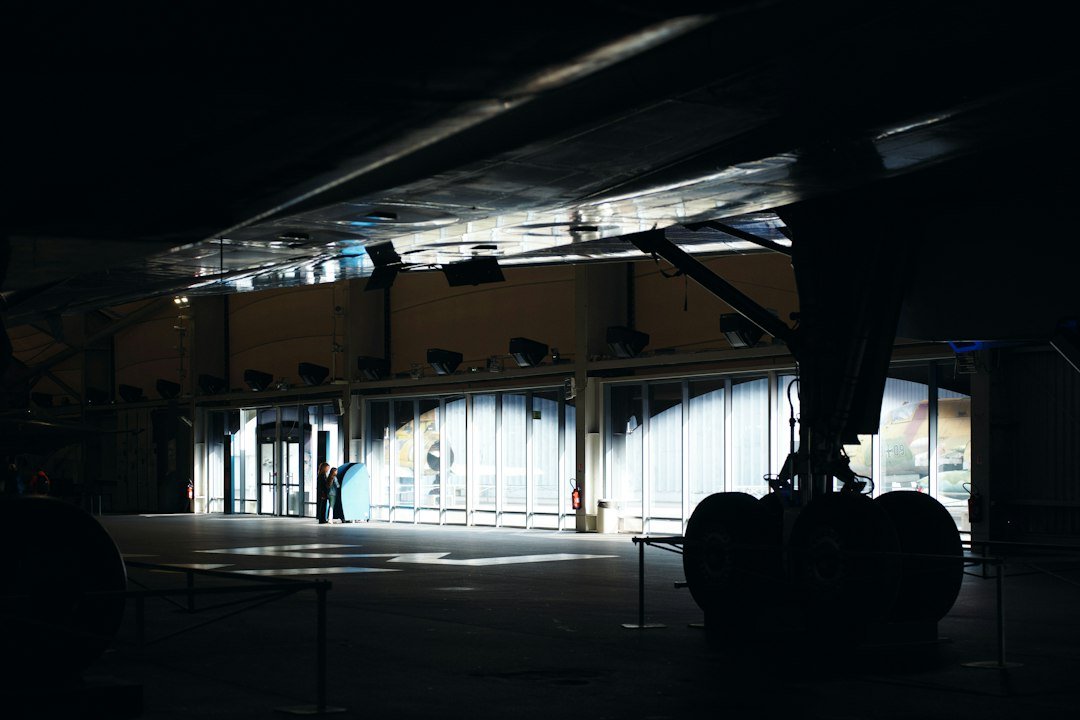
Bahrain used the opening day of its flagship investment forum, Gateway Gulf 2026, to announce that four large projects worth a combined US$3.89 billion have been granted Golden Licenses. The package runs from aircraft maintenance hangars at Bahrain International Airport to a waterfront hotel on the Amwaj Islands and a new technology district called Digital City Bahrain.
For a small island economy competing with much larger neighbours for capital, the mix matters as much as the headline number. Two of the four approvals are about aviation, which points to a deliberate push to turn Bahrain into a servicing and cargo hub rather than simply a stopover. This explainer looks at what was announced, how the Golden License works, and what the deals reveal about Bahrain’s diversification strategy.
Key takeaways
- Four projects worth a combined US$3.89 billion received Golden Licenses at Gateway Gulf, held in Manama on 1–2 November 2026.
- DHL will set up its first and only regional aircraft maintenance, repair and overhaul (MRO) facility at Bahrain International Airport.
- Capital A, the parent of AirAsia, plans three aviation ventures covering passenger links, air cargo and aircraft maintenance.
- The other two licences go to a Meliá–Infracorp hotel and residences scheme on Amwaj and a mixed-use technology hub, Digital City Bahrain.
- The Golden License, launched in 2023, targets projects investing more than US$50 million or creating more than 500 local jobs.
What was announced at Gateway Gulf
Gateway Gulf is an invitation-only forum hosted by the Bahrain Economic Development Board (EDB). Its fourth edition took place at the Four Seasons Hotel in Bahrain Bay and, according to the organisers, brought together more than 200 ministers, senior officials, chief executives and investors. The event was opened by Crown Prince and Prime Minister Salman bin Hamad Al Khalifa, and Finance Minister Sheikh Salman bin Khalifa Al Khalifa told delegates the forum was expected to produce more than 110 investment announcements worth over US$20 billion in total.
The four Golden License approvals were the centrepiece. Only the combined value was disclosed; officials did not publish a breakdown for each project or job estimates. Here is how the package divides up:
| Project | Sector | What it involves |
|---|---|---|
| DHL | Aviation logistics | Regional aircraft MRO facility at Bahrain International Airport to support DHL’s growing fleet |
| Capital A (AirAsia parent) | Aviation | Three ventures bringing AirAsia, Teleport (cargo) and Asia Digital Engineering (maintenance) operations to Bahrain |
| Meliá with Infracorp | Tourism and real estate | Waterfront development on the Amwaj Islands with a five-star hotel and branded residences |
| Digital City Bahrain | Technology | Mixed-use district combining housing, offices, education and innovation space for ICT firms |
How the Golden License works
Bahrain introduced the Golden License in 2023 as a fast track for strategic investments. To qualify, a project must either create more than 500 jobs in the kingdom or carry an investment value above US$50 million. In return, holders get priority when land is allocated, help securing utilities and infrastructure connections, quicker business licensing and building permits, and a dedicated account manager at the EDB who coordinates between ministries.
Licence holders can also tap support from national bodies such as Tamkeen, the labour fund that subsidises training and wages for Bahraini workers, and the Bahrain Development Bank. When the scheme was launched, the government also said it was open to reviewing existing rules where they stood in the way of a qualifying project. In practice, the licence is less about tax breaks and more about cutting the time and friction involved in getting a large project from approval to construction, something investors across the Gulf consistently rank as a deciding factor.
Why aviation dominates this round
Aircraft maintenance is a specialised, high-value business. Airlines and cargo operators need heavy checks, engine work and repairs at regular intervals, and flying aircraft long distances to reach a hangar costs time and money. A regional MRO base in the Gulf lets operators keep aircraft closer to their main routes. DHL’s decision to place its only regional MRO facility in Bahrain gives the airport a long-term anchor tenant with steady demand for skilled technicians and engineers.
The Capital A ventures broaden that picture. By bringing passenger flying, cargo through its Teleport unit and engineering through Asia Digital Engineering, the Malaysian group is effectively building a western foothold for an Asian low-cost network. Organisers said the aim is to strengthen connectivity with the Far East and Europe, expand cargo capacity in phases and develop local maintenance skills. Taken together, the two aviation approvals reinforce Bahrain’s pitch as a compact logistics platform with quick links to Saudi Arabia via the King Fahd Causeway and to the wider GCC market.
How it fits Bahrain’s diversification push
Bahrain has less oil wealth than most of its Gulf neighbours, so it began diversifying earlier and has leaned on finance, manufacturing, logistics and tourism. Organisers say non-oil activity now accounts for around 86% of GDP. The kingdom’s economic recovery plan, unveiled in 2021, set a target of roughly US$30 billion in strategic projects, and the Golden License is one of the tools meant to help get there.
The two non-aviation licences fit that strategy in different ways. The Meliá–Infracorp scheme on Amwaj adds premium hotel rooms and residences, supporting a tourism sector that Bahrain wants to grow alongside its events calendar. Digital City Bahrain targets technology firms and education providers, a sector where Gulf states are competing hard for data, software and research activity. Spreading licences across logistics, tourism and tech also lowers the risk of relying on any single industry.
The forum also showcased wider deal flow. Bahraini investment firm Arcapita said it plans to invest more than US$1.5 billion in Gulf industrial and logistics real estate over the next two years, while official figures showed the Tender Board awarded around US$2.82 billion of public contracts in the first nine months of 2026.
Challenges and what comes next
A licence is an approval, not a finished building. The real test will be how quickly land is handed over, construction starts and the facilities begin operating. Because individual project values and timelines were not published, it is hard to judge how much of the US$3.89 billion will be spent in the near term. Aviation projects in particular depend on aircraft delivery schedules, regulatory certification for maintenance work and the ability to recruit and train specialist staff, which is where Tamkeen’s training support could prove important.
Competition is another factor. Dubai, Abu Dhabi, Doha and Riyadh are all expanding airports, cargo zones and technology districts. Bahrain’s advantage lies in speed, lower costs and its proximity to Saudi Arabia’s eastern province. Delivering these four projects on schedule would strengthen that case for the next round of investors.
Frequently asked questions
What is Bahrain’s Golden License?
It is an investment incentive launched in 2023 for strategic projects that either invest more than US$50 million or create over 500 jobs in Bahrain. It offers priority land allocation, faster permits and a dedicated EDB account manager.
Which companies received Golden Licenses at Gateway Gulf 2026?
DHL, Capital A (parent of AirAsia), a partnership between Meliá and Infracorp, and the developer of Digital City Bahrain. Together the four projects are valued at US$3.89 billion.
Where will DHL’s new maintenance facility be built?
At Bahrain International Airport. It will be DHL’s first and only regional maintenance, repair and overhaul facility, serving its growing aircraft fleet.
The bottom line
The latest Golden Licenses show Bahrain betting on aviation services, tourism and technology to keep its non-oil economy growing. The US$3.89 billion headline is significant for an economy of Bahrain’s size, but the payoff will depend on how quickly the hangars, hotels and offices move from paper to operation.
Photo: Z Zhang on Unsplash (illustrative).