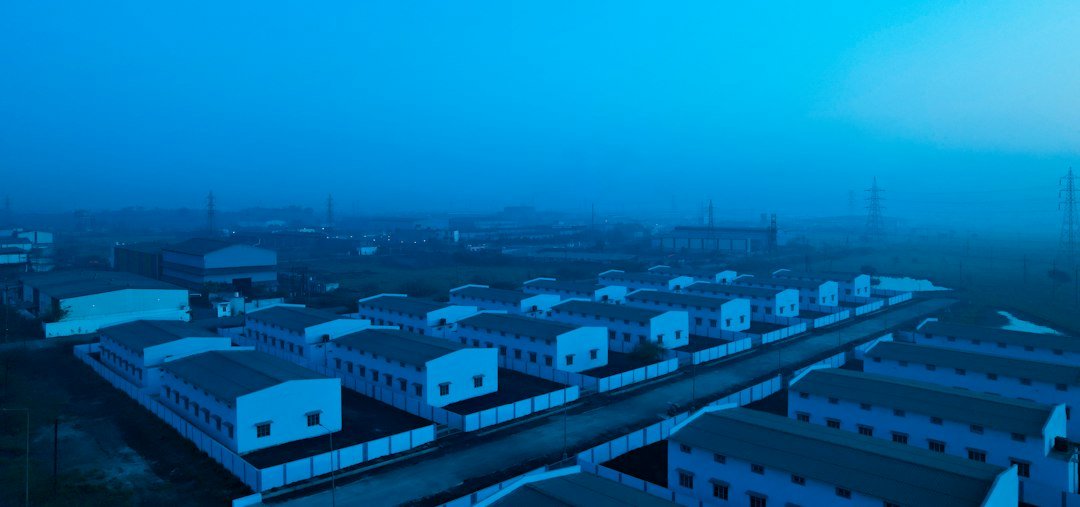
Oman has added another batch of factories, processing plants and warehouses to its industrial pipeline. On 28 October 2026, the Public Authority for Special Economic Zones and Free Zones (OPAZ) oversaw the signing of 28 investment agreements worth more than RO304 million, or roughly $790 million, spread across the sultanate’s free zones, its flagship special economic zone at Duqm and a network of state-run industrial cities.
No single deal here is a megaproject. Taken together, though, the package shows where Oman is steering private money: heavy manufacturing such as steel and transformers, vehicle assembly, food production and the construction materials needed for a building boom. Below we explain what was signed, where the money is going and why it matters for Oman’s push to earn more from industry and less from oil.
Key takeaways
- Oman signed 28 investment agreements worth over RO304 million (about $790 million) on 28 October 2026, covering more than 2 million square metres of land.
- Industrial cities run by Madayn took the largest share, about RO147.6 million, led by a steel products plant in Sohar worth more than RO112 million.
- Sohar Freezone (RO58.5 million), Duqm (about RO55 million), Salalah Free Zone (about RO33 million) and Khazaen Economic City (over RO10.4 million) shared the rest.
- The signing also launched the free zone at Khazaen Economic City, through its first two agreements.
- The projects fit the goals of Oman’s 11th Five-Year Development Plan (2026–2030), which counts manufacturing, food security and logistics as priority sectors.
What was signed, and where
The agreements cover new projects and expansions of existing ones in five groups of zones. Official figures reported by the Oman News Agency and local media break down as follows:
| Zone | Agreements | Value (approx.) | Headline project |
|---|---|---|---|
| Madayn industrial cities | 7 | RO147.6m (~$384m) | Atlas Steel iron and steel products plant, Sohar Industrial City (over RO112m) |
| Sohar Freezone | 5 | RO58.5m (~$152m) | Vehicle assembly complex on 317,000 sq m (RO38m) |
| Duqm Special Economic Zone | 6 | RO55.08m (~$143m) | Shrimp-feed factory (RO40m) |
| Salalah Free Zone | 3 | RO32.95m (~$86m) | Steel structures plant (RO19.25m) |
| Khazaen Economic City | 7 | Over RO10.4m (~$27m) | EV charger and components factory (over RO3.4m) |
Beyond the headline projects, the list is notably varied. In Sohar Industrial City, a Chinese-backed firm plans a RO20 million ceramics factory. Sohar Freezone will host a RO15 million plant from Voltamp making power and distribution transformers, partly for export, as well as a medical devices expansion and warehousing for re-export. In Salalah, a gypsum products facility and a cheese and dairy plant join the steel structures project. Smaller deals in Raysut and Nizwa cover fertiliser and oilfield equipment.
Food security takes centre stage at Duqm
Duqm, on Oman’s Arabian Sea coast, is best known for its port, dry dock and refinery. This round, however, put the emphasis on food. Besides the RO40 million shrimp-feed plant, the zone signed a livestock quarantine and red meat supply facility worth about RO4 million on more than 526,000 square metres, a demersal fish canning factory worth RO5.36 million that is expected to handle 40 to 60 tonnes of fresh fish a day, a tuna and squid processing unit, and a small refinery for recycling used oil.
The logic is simple. Like its Gulf neighbours, Oman imports much of its food, and governments across the region have made local production of protein, feed and processed seafood a policy priority. Duqm sits next to rich fishing grounds and has a deepwater port, which makes it a natural base for aquaculture inputs and seafood processing aimed at both the domestic market and exports.
How it fits the bigger picture
Oman’s economic zones have become a main channel for non-oil investment. According to OPAZ, total committed investment across its economic, free and industrial zones reached OMR22.4 billion by the end of 2025, up 6.8% on the year before. In 2025 alone, the zones signed 325 new agreements worth more than OMR1.4 billion, and almost all of that went into industry.
Seen against those figures, the October package is a solid but routine addition: around a fifth of last year’s total new investment, landed in a single day. Its value lies more in the type of project. Steel, transformers and precast concrete feed directly into Oman’s own construction and power-grid build-out, while vehicle assembly and medical devices push the country into higher-value manufacturing it has little history in.
The deals also line up with Oman’s 11th Five-Year Development Plan, which runs from 2026 to 2030. That plan aims to raise private investment and expand non-oil activity, and it targets annual manufacturing growth of 5.9%, alongside priorities in food security, transport and logistics. The International Monetary Fund has long urged Muscat to reduce its reliance on hydrocarbons, which still provide the bulk of government income.
Why Khazaen’s new free zone matters
The smallest slice of money went to Khazaen Economic City, but it may be the most symbolic part of the day. Khazaen, near Barka at the junction of the Muscat Expressway and the Batinah Highway, was planned as a logistics-focused economic city between the capital and Sohar Port. Its first two agreements under the new free-zone status formally launched that zone.
Free-zone status typically brings benefits such as customs and tax incentives and fuller foreign ownership, which can make a location more attractive to manufacturers and traders. OPAZ data already showed Khazaen had the fastest growth in added investment among the zones in 2025, at about 63%. Its first tenants under the new label, including an EV charger factory, a precast concrete plant and building materials and logistics facilities, suggest it is positioning itself as a supplier to construction and the energy transition in the Muscat–Batinah corridor.
Challenges and what comes next
An agreement is a commitment, not a finished factory. Some zone deals take years to reach production, and some are scaled back if financing or demand changes. The real test will be how quickly the larger projects, especially the Sohar steel plant and the vehicle assembly complex, break ground and start hiring.
Jobs are the other key measure. Officials did not give employment figures for this round, but local hiring is a central goal: OPAZ reported 4,467 new jobs for Omanis in its zones in 2025, well above its target, with about 36% of zone workers being Omani nationals. Watch for follow-up announcements on construction starts and hiring plans, and for further agreements as the Khazaen free zone and planned new industrial cities come online.
Frequently asked questions
How much are the new Oman investment agreements worth?
The 28 agreements signed on 28 October 2026 are worth more than RO304 million, which is about $790 million at the fixed exchange rate of roughly $2.60 per Omani rial.
What is the largest single project?
An iron and steel products plant by Atlas Steel in Sohar Industrial City, valued at more than RO112 million (around $291 million), is the biggest deal in the package.
Who oversees Oman’s economic and free zones?
The Public Authority for Special Economic Zones and Free Zones (OPAZ) regulates the zones, while the Public Establishment for Industrial Estates (Madayn) manages the network of industrial cities.
The bottom line
Oman’s $790 million package is a broad-based bet on manufacturing, food production and construction supply chains rather than a single headline project. If the steel, vehicle and food plants are built on schedule, they will deepen the country’s industrial base and strengthen its case as a manufacturing and export hub on the Arabian Sea.
Photo: Mustafa Fatemi on Unsplash (illustrative).