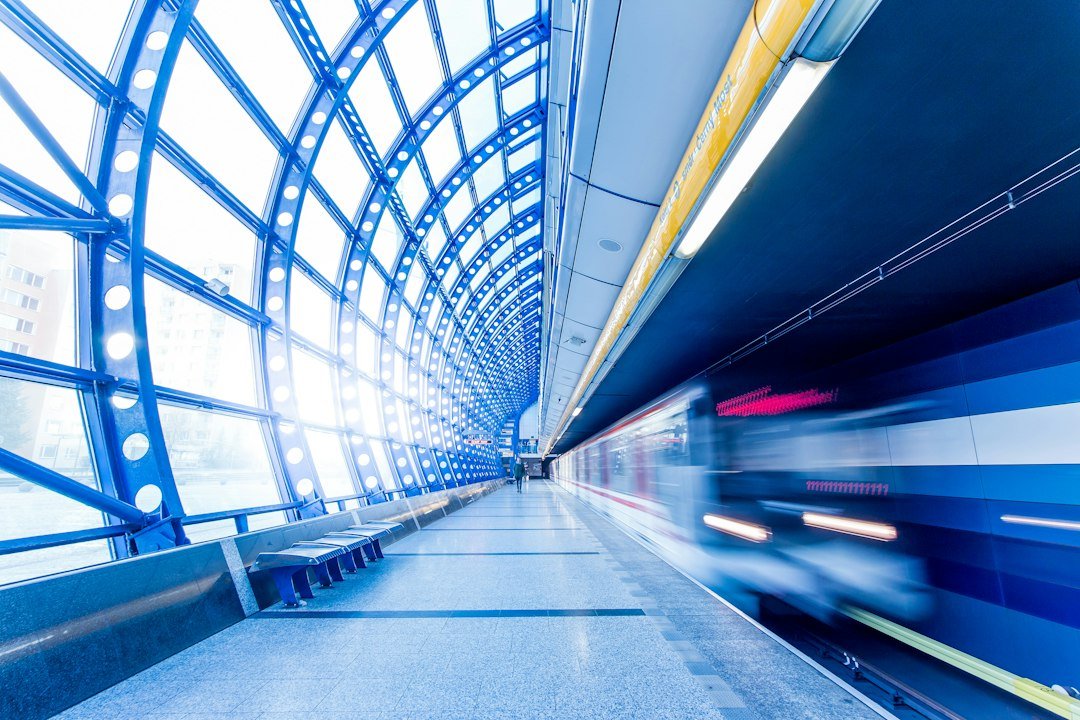
Less than two years after its first passengers boarded, the Riyadh Metro is already preparing for a much bigger crowd. On 13 October 2026, the Royal Commission for Riyadh City (RCRC) announced contracts for 94 additional train sets, a purchase valued at around SAR 5.5 billion (roughly $1.47 billion) and shared between Germany’s Siemens and France’s Alstom.
The order will lift the driverless network’s fleet from 183 to 277 trains and, according to the commission, raise overall carrying capacity by about 60%. It is a clear signal that demand on the Saudi capital’s six-line system has grown faster than many expected, and that planners are positioning the network for two marquee events on the horizon: Expo 2030 Riyadh and the 2034 FIFA World Cup.
Key takeaways
- RCRC has ordered 94 new metro train sets from Siemens and Alstom in deals worth about SAR 5.5 billion.
- The fleet will grow from 183 to 277 trains, an increase of more than 50% in rolling stock.
- Network capacity is projected to rise by roughly 60%, with the Red Line (+142%) and Yellow Line (+116%) gaining the most.
- Deliveries are due to start in 2028 and will arrive in phases, each batch tested before carrying passengers.
- The metro has recorded about 300 million trips since opening in December 2024, and average monthly ridership in 2026 is running about 25% above 2025.
What was announced
The contracts cover far more than the trains themselves. Alongside manufacturing the new train sets, the suppliers will provide associated systems and equipment, maintenance services, staff training and other technical and operational support. That bundled approach is common for automated metros, where trains, signalling and control systems must work together seamlessly.
RCRC said deliveries will begin in 2028. Rather than arriving all at once, the trains will be handed over in batches, and each batch will go through testing and operational trials before it is gradually introduced into passenger service. The commission added that the extra capacity will be distributed across lines according to actual ridership and projected demand, which explains why the planned increases differ so sharply from one line to another.
| Line | Planned capacity increase |
|---|---|
| Red Line (Line 2) | +142% |
| Yellow Line (Line 4) | +116% |
| Blue Line (Line 1) | +60% |
| Orange Line (Line 3) | +27% |
| Purple Line (Line 6) | +16% |
RCRC describes the Blue Line, the network’s main north–south spine, as the line with the highest capacity, so even a 60% boost there represents a large number of extra places. The Red Line’s dramatic increase comes as it prepares for an 8.4 km extension from King Saud University towards the Diriyah Gate development, which will add five new stations and require more trains to run a frequent service over a longer route.
Background: a metro built from scratch
The Riyadh Metro is the centrepiece of the King Abdulaziz Project for Riyadh Public Transport, one of the most ambitious urban transit programmes undertaken in the region. According to RCRC, the system spans 176 km across six colour-coded lines and 85 stations, with a design capacity of about 3.6 million passengers a day. It was formally inaugurated in late November 2024, and services began rolling out to the public from December 2024.
The metro works alongside a large bus network that RCRC says will eventually cover around 1,900 km of routes, including dedicated bus rapid transit corridors. Together they are meant to give residents of a fast-growing, car-dependent capital a realistic alternative to driving.
Siemens and Alstom are not newcomers to the project. Both supplied trains for the original network, and Alstom has since absorbed Bombardier’s rail business, another of the metro’s first rolling-stock suppliers. Sticking with familiar manufacturers can simplify maintenance, spare parts and integration with the automated control systems, although the commission has not published how the 94 trains are divided between the two companies.
Why it matters
The most striking part of the announcement is the ridership trend behind it. New metros in car-centric cities can take years to build a loyal customer base. In Riyadh, RCRC says monthly ridership in 2026 is averaging about a quarter higher than a year earlier, and cumulative trips have reached roughly 300 million in under two years. Ordering more trains this early suggests the network is moving from the launch phase into a growth phase.
There is also an economic logic. Riyadh is at the heart of Saudi Arabia’s plans to attract regional headquarters, tourists and major events, and congestion is one of the biggest threats to that ambition. Higher metro capacity helps make large venues and new districts reachable without adding to road traffic. For the rail industry, the order is another sign that the Gulf has become one of the most active markets for urban and intercity rolling stock, following recent passenger-rail milestones in both Saudi Arabia and the UAE.
Challenges and what comes next
The first new trains are not expected before 2028, so passengers will not feel the benefit immediately. Until then, operators will need to squeeze as much as possible out of the existing fleet, particularly at peak times on the busiest lines. Integrating a large number of new vehicles into an operating driverless network is also technically demanding, which is why RCRC has stressed staged testing before each batch enters service.
Looking ahead, the Red Line extension to Diriyah is already under construction, and its Diriyah station is designed as a future interchange with a planned Line 7. If ridership keeps climbing at its current pace, further fleet or network expansion announcements in the run-up to Expo 2030 would not be surprising.
Frequently asked questions
How many trains will the Riyadh Metro have after the order?
The fleet will grow from 183 to 277 train sets once all 94 new trains have been delivered and commissioned.
When will the new trains enter service?
Deliveries are scheduled to begin in 2028. The trains will arrive in batches and enter service gradually after testing and operational trials.
Which lines benefit the most?
The Red Line is set for the biggest capacity jump, at about 142%, followed by the Yellow Line at around 116% and the Blue Line at about 60%. The Orange and Purple lines will see smaller increases of 27% and 16%.
The bottom line
Riyadh’s SAR 5.5 billion order for 94 new trains shows that its metro has quickly become part of daily life in the Saudi capital. By planning a roughly 60% capacity boost years ahead of Expo 2030 and the 2034 World Cup, the city is betting that demand for public transport will keep rising, and preparing its network to keep up.
Photo: JESHOOTS.COM on Unsplash (illustrative).